
Natural Ways to Support Mental Wellness in a Busy Lifestyle
Feb 05, 2026

Life is relentlessly busy in Australia. Work pressures, family responsibilities, social duties, and constant digital noise can easily cause psychological overload. Over time, this speed may have an effect on emotional resilience, mood, and focus. Finding natural ways to support mental wellness in a busy environment doesn't require a lot of free time or major lifestyle adjustments. Actually, small, regular habits like breathing techniques, mindfulness, exercise, diet, and sleep can make a big difference.
In this blog, we examine practical, natural ways to support mental health in a busy life, focusing on simple routines that complement real, daily activities.
Prioritise Sleep, Even in Small Blocks
When life gets busy, sleep is the first habit that often gets sacrificed. Sleep is foundational to mental wellness. It is directly linked with mental health and can significantly impact mood and concentration. The good news is that improving sleep doesn’t require a complete routine overhaul or strict rules. Rather than aiming for perfection, focus on creating a consistent wind-down routine:
- Go to bed at the same time every night.
- Get your eyes off the screens and dim the lights 30-60 minutes before bed.
- Do some calming activities like a hot shower, herbal tea, or soft music.
- Consider taking short naps of 15–20 minutes if nighttime sleep is fragmented.
Always remember, even micro-adjustments can improve mood, cognitive function, and resilience over time.
Move Your Body, Your Way
Physical activities naturally help to relieve stress and uplift mood. It doesn’t require hours at the gym, even a small 5-10 minute walk after lunch, 2 minutes stretching during work break, morning yoga or even dancing around the kitchen while cooking dinner can do a lot. Practices like these might seem small but they help circulate energy, ease tension and most importantly support mental clarity on the busiest days.
Mindfulness for Busy People
Short mindfulness exercises are surprisingly effective. It just requires consistency, not duration. Check these few brain exercises you can do without hampering your daily schedule:
- One-minute breathing pauses: inhale for four seconds, exhale for four seconds, repeat three times.
- Micro mindfulness check-ins: notice sights, sounds, or textures while washing dishes or walking.
- Gratitude note: list one thing you appreciate before starting work.
These tiny pockets of awareness can reduce stress naturally and strengthen your ability to respond rather than react to daily pressures.
Create Mental Boundaries in Daily Life
Constant connectivity quietly drains mental energy. Beyond work hours, factors like electronic devices, social media and notifications do not let the brain to completely shut down. Establishing mental boundaries can help protect overall wellbeing. This can be, turning off unimportant notifications in the evening, not using devices while eating and avoiding unnecessary surfing or scrolling on the internet. Over time, these small mental boundaries can enhance emotional balance and resilience by allowing your mind to take a break when it’s appropriate.
Eat for Brain and Mood
Nutrition impacts mental wellness more than most people realise. Simple adjustments can support focus and resilience. Include protein and fibre at every meal to stabilise blood sugar, add fresh fruits, vegetables, nuts, and seeds for vitamins and minerals, and stay hydrated throughout the day. You can also explore adaptogens like ashwagandha or holy basil, which may support mental balance when paired with lifestyle habits. Small, deliberate choices can have a compounding effect on daily energy and emotional wellbeing.
To support these nutritional choices, below are a few recommended products that can complement a balanced diet and daily wellness habits.
Planet Organic Mental Focus Herbal Tea
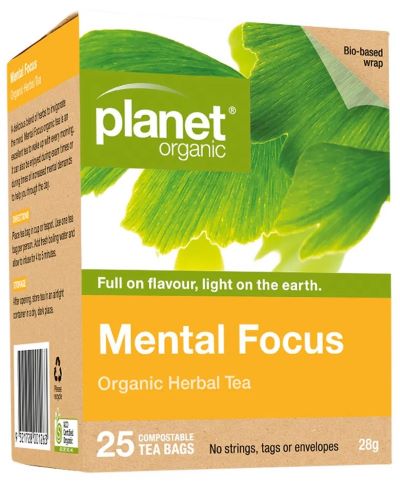
Planet Organic Mental Focus Herbal Tea Tea Bags
It offers a soothing herbal blend designed to support mental clarity and focus as part of a mindful daily routine.
Henry Blooms Brain Health Mushrooms & Ginkgo 6000

Henry Blooms Brain Health Mushrooms & Ginkgo 6000
It combines traditional botanicals and functional mushrooms to support brain health when used alongside healthy lifestyle habits.
The Vitalogy Project Brain Health

The Vitalogy Project Brain Health
It is a thoughtfully formulated supplement to support cognitive function and overall brain wellbeing as part of a balanced wellness approach.
Actionable Mental Wellness Checklist
- 7-8 hours of sleep or a consistent wind-down routine
- 5-10 minute daily walk or stretch
- One-minute mindfulness or breathing exercise daily
- Nutritious meals with protein, fibre, fruits, and vegetables
- Hydration throughout the day
- Optional - adaptogens or supplements to complement lifestyle habits
Bottom Line
Supporting your mental wellbeing doesn’t have to mean slowing life down or doing everything perfectly. By choosing natural ways to support mental wellness that fit into your existing routine, you can gently care for your mind even on the busiest days. Small, consistent habits from mindful breathing and movement to nourishing food and better rest can help you reduce stress naturally and build resilience over time. It’s not about doing more, but about doing what’s sustainable, so mental wellness becomes part of everyday life, not another task on your to-do list.
Frequently Asked Questions
Q. Do short mindfulness exercises really help?
A. Yes. Brief, regular practices can reduce perceived stress and improve focus for many people.
Q. Are supplements a quick fix?
A. Supplements may complement lifestyle changes, but are not a replacement for therapy or clinical care.
Q. How can I fit self-care into a busy schedule?
A. Tie micro-practices to daily cues, like after coffee, brushing teeth, or walking between meetings or work breaks.
Q. Can small daily habits really make a difference over time?
A. Yes. Small, consistent actions can compound over time, helping build resilience and support mental wellness without overwhelming your routine.